
Troubleshooting Roof Leaks Around Chimney Flashing
Discovering a water stain on your ceiling after a heavy storm is a frustrating experience for any homeowner. When water starts making its way into your home, the culprit is frequently found in one of the most vulnerable areas of your roofing system: the chimney. Specifically, the metal barrier designed to protect the seam where your chimney meets the roof deck—known as chimney flashing—is a common source of trouble.
We understand that homeowners are often highly skeptical of roofing contractors when a leak occurs. It is hard to know who to trust, how much it will actually cost, and whether a repair or a full replacement is truly necessary. At Grizzly Guard Exteriors, we believe in providing transparent, educational information so you can make informed decisions about your home. Whether you are living right here in the Piedmont or in surrounding communities, understanding the mechanics of your roof is the first step to protecting your investment. If you are fixin' to figure out exactly what is going on up on your roof, this guide will walk you through everything you need to know about troubleshooting flashing issues.
Signs of Roof Leaks Around Chimney Structures
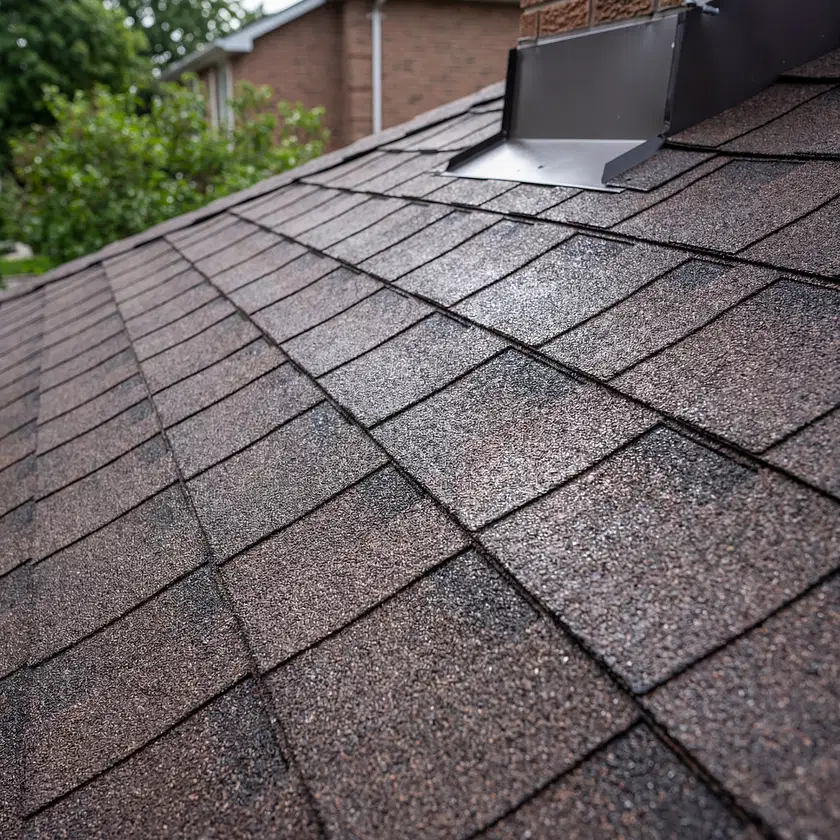
Identifying a leak early can save you thousands of dollars in structural damage, mold remediation, and interior repairs. But how to tell if chimney flashing is leaking isn't always as obvious as water dripping directly into your living room. Often, the early warning signs of roof leaks around chimney areas are subtle and hidden from daily view.
First, check your attic. Grab a flashlight and carefully inspect the wood decking and rafters directly beneath and surrounding the chimney structure. If you see dark water spots, streaks, or areas where the wood looks rotted or feels soft, moisture is getting in. You might also notice a damp, musty smell in the attic even before you see visible water damage.
Inside your main living space, keep an eye on the ceiling and walls adjacent to the fireplace. Yellow or brown water stains, peeling paint, or bubbling wallpaper are classic indicators of trapped moisture. Additionally, look inside your firebox. If you hear water dripping during a rainstorm, notice pooling water, or see unusual rust forming on the damper, your flashing is likely compromised and failing to direct water away from the masonry.
Why Does Chimney Flashing Fail?
To understand how to fix damaged chimney flashing, it helps to understand why it fails in the first place. Flashing is typically made from aluminum, copper, or galvanized steel. While these materials are durable, they are constantly exposed to the elements.
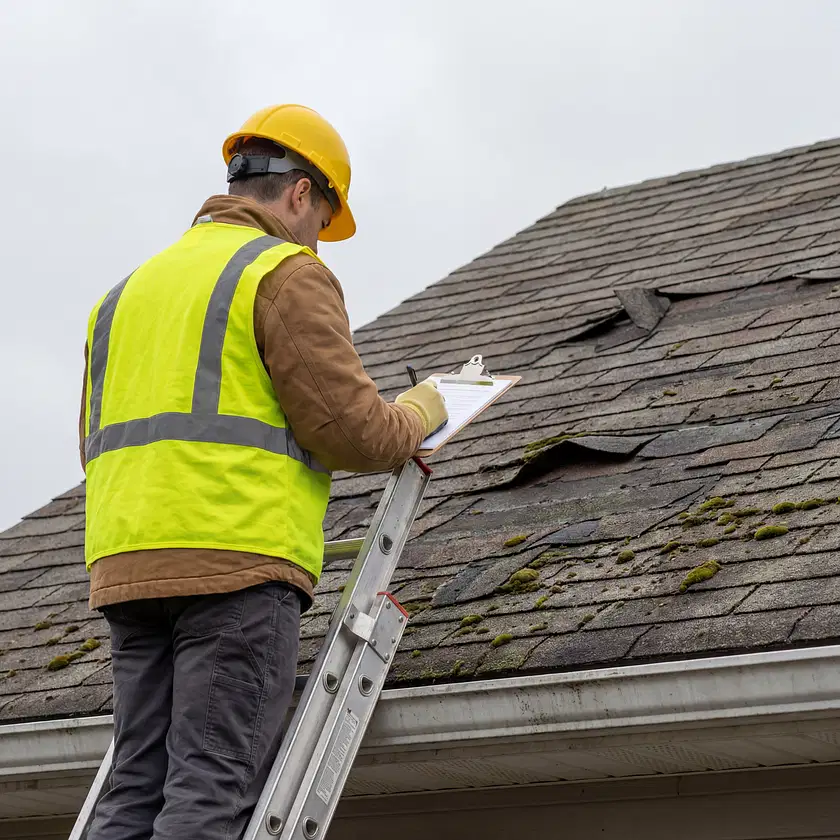
Extreme seasonal fluctuations are a major factor. Sizzling summer heat and freezing winter temperatures cause the metal and the surrounding roofing materials to expand and contract. Over time, this constant movement can cause the caulk to dry out, crack, and pull away from the brick. High winds and severe hail storms can also physically dent, bend, or tear the flashing, breaking the watertight seal.
Another common reason for failure is poor installation. Proper chimney protection requires a specific overlapping technique involving base flashing, step flashing, and counter flashing. If an inexperienced contractor previously worked on the house and relied too heavily on roofing cement or tar instead of properly layering the metal, that temporary fix will inevitably crack and allow water to seep behind the shingles.
How to Fix Damaged Chimney Flashing
When a homeowner asks how to fix damaged chimney flashing, they often hope a quick tube of exterior caulk will solve the problem. Unfortunately, simply sealing over old, failed flashing is a temporary band-aid that traps moisture and accelerates wood rot underneath.
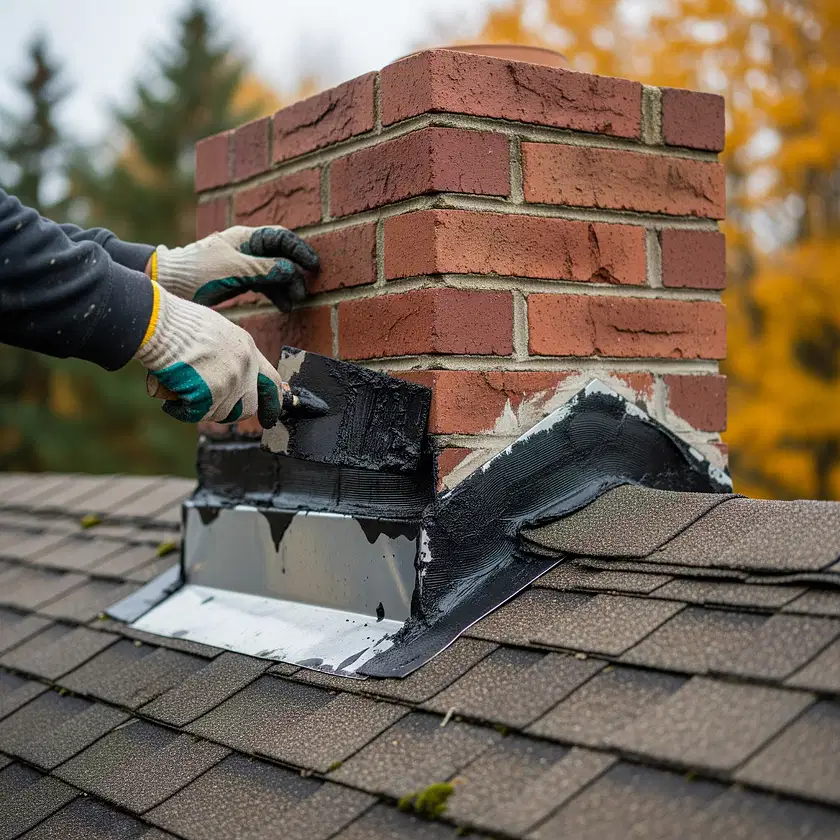
A proper, long-lasting repair involves carefully removing the shingles surrounding the chimney to expose the roof deck. The old, damaged metal must be completely removed. Next, an ice and water shield is applied to the decking for an extra layer of protection. Then, a professional will install new base flashing at the bottom, followed by step flashing that is intricately woven between each course of shingles along the sides of the chimney. Finally, counter flashing is physically embedded into the mortar joints of the brickwork to ensure water flows down and away from the vulnerable seams.
Because this process is highly technical and requires working safely at steep angles, it is heavily recommended to rely on professional roofing services. Today, modern roofing companies utilize advanced technology to ensure precision. We frequently use drone-based roof inspections to capture high-resolution, 3D aerial measurements and safely assess storm damage before anyone even steps foot on your shingles. This ensures we provide highly accurate, transparent estimates without any guesswork.
Trusting the Right Professionals for Your Home
Dealing with roof repair can be stressful, especially when balancing upfront costs and the anxiety of potential weather damage. That is why choosing a contractor with strong warranties on both materials and workmanship is essential. You want a team that communicates reliably, shows up on time, and respects your property. If unexpected storm damage is the cause of your leak, having a team experienced in insurance claims assistance can make a world of difference.
Y'all shouldn't have to worry every time the forecast calls for rain. If you suspect your chimney flashing has seen better days, or if you simply want the peace of mind that comes from a thorough evaluation, we are here to help. At Grizzly Guard Exteriors, based right here in Maiden, NC, we pride ourselves on offering detailed, accurate pricing estimates and flexible financing options to fit your budget. Reach out to us today to schedule your comprehensive Roof Repair assessment or to learn more by visiting our Contact Us page. Let us help you keep your home safe, dry, and secure for years to come.