
Identifying Storm Damage to Roofs and Siding
When a severe weather system rolls through The Piedmont, it can leave a trail of scattered branches, heavy debris, and plenty of anxiety in its wake. If you are a homeowner in Maiden, NC, or the surrounding communities, you know firsthand how intense our seasonal storms can be. High winds, driving rain, and unexpected hail can all take a serious toll on your home's exterior.
One of the most stressful parts of post-storm recovery is simply figuring out whether your home sustained structural damage. Often, the impacts aren't visible from the ground, leaving homeowners wondering how to tell if their roof has hail damage or if their siding took a beating. Understanding what to look for is the first step toward protecting your investment, navigating the insurance process, and avoiding the aggressive out-of-town "storm chasers" who often flood the area after severe weather.
How to Tell if Your Roof Has Hail or Wind Damage
After a major storm, many people ask how to tell if a roof needs to be repaired or completely replaced. While a professional inspection is always the safest and most accurate route, there are a few signs of trouble you can look for safely from the ground.
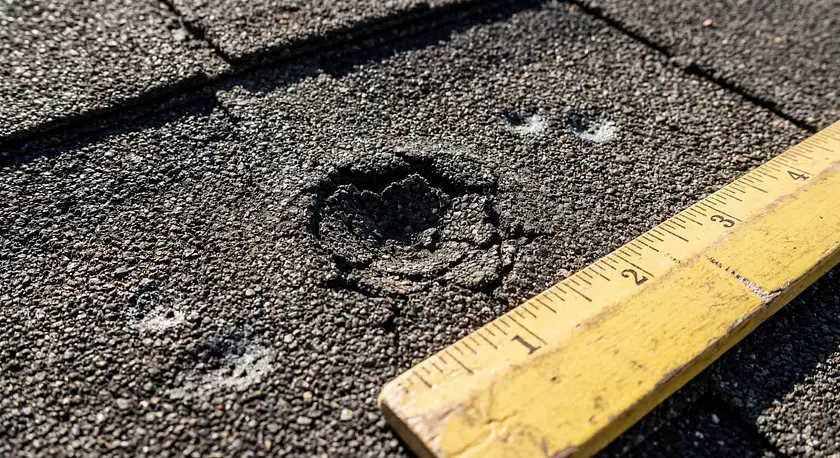
Start by checking your gutters and downspouts. If you notice an excessive buildup of mineral granules, this is a strong indicator that hail has struck your shingles, stripping away their protective outer layer. You might also spot bruised shingles, which look like small, dark, circular indentations where hail has fractured the fiberglass mat underneath.
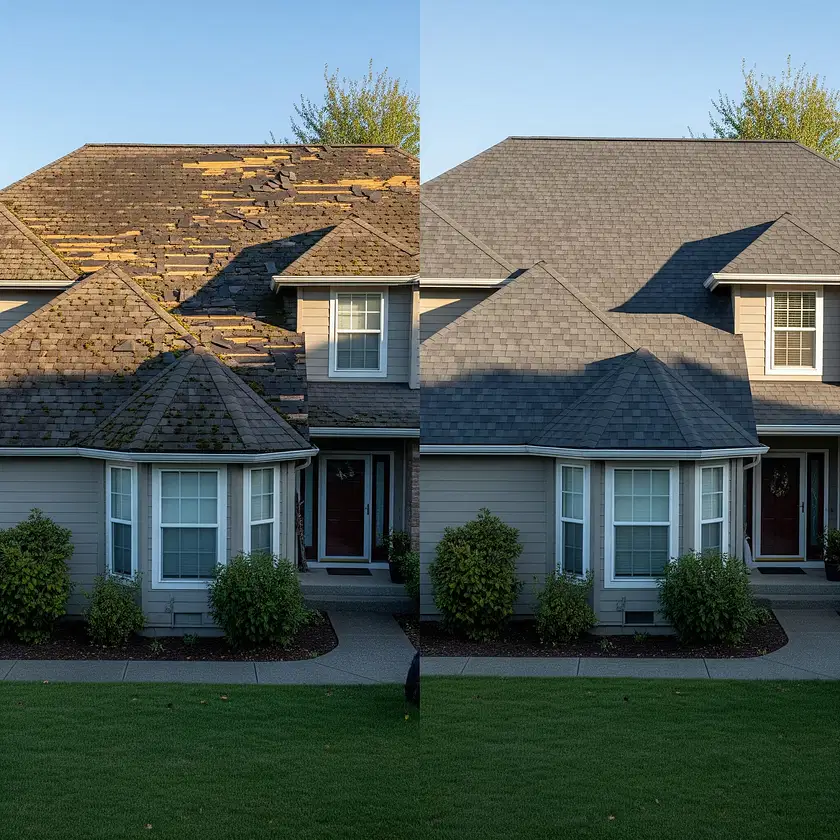
Wind damage tends to be a bit more obvious. Look for missing, creased, or lifted shingles along the roofline and the ridges. When high winds break the seal on your shingles, it leaves your home vulnerable to water intrusion. If you spot any of these warning signs, it is wise to schedule a professional roof repair evaluation before the next rainstorm causes internal leaks.
Spotting Storm Damage on Your Siding
Your roof takes the brunt of the weather, but your home's vertical defenses are also highly susceptible to high winds and flying debris. Identifying signs of storm damage on siding is crucial for maintaining your home's insulation and preventing moisture from seeping into your walls.
If you have vinyl siding, walk around the perimeter of your home and inspect for cracks, chipping, or semicircular holes caused by hail impacts. Wind can also pull panels loose or completely detach them from the house. For wood or fiber cement siding, look for dents, chipped paint, and gouges. Even minor cracks can allow water to penetrate, leading to rot and mold over time.
If your siding looks battered after a storm, it is highly recommended to have an expert assess the situation. Quality siding protects your home's structural integrity and significantly boosts your curb appeal.
Navigating Roof Insurance Claims After a Storm
Once you have identified potential damage, the next hurdle is figuring out how to file a roof insurance claim after a storm. Does homeowners insurance cover the cost of a roof replacement? In most cases involving sudden, accidental storm damage, the answer is yes—but the process requires thorough documentation.
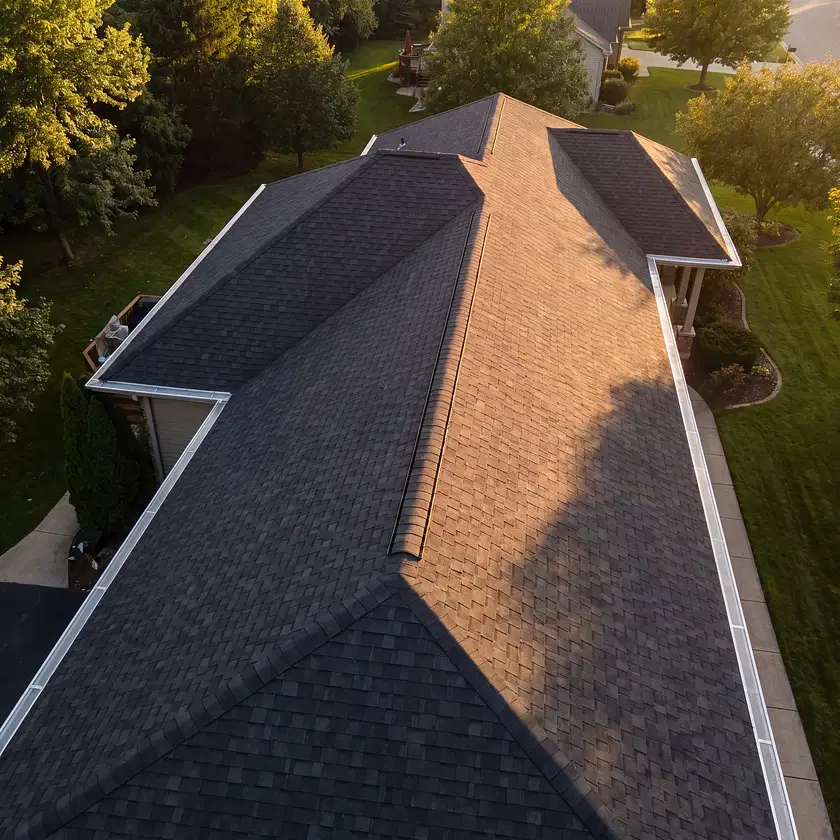
This is where working with a trusted local roofing contractor becomes invaluable. Many homeowners are understandably skeptical of the roofing industry due to transient contractors who knock on doors after a storm, offering deals that seem too good to be true. A reputable, local company will use modern technology, such as drone-based roof inspections and 3D aerial measurements, to provide highly accurate, transparent estimates. This objective evidence makes it much easier to work with your insurance adjuster and ensures you get the coverage you deserve for hurricane roof damage repair or hail restoration.
Furthermore, an established local roofer will understand the financial strain that a large project can cause. Ask about flexible financing options that can help bridge the gap while you wait for delayed insurance claim payouts.
Partner With a Team You Can Trust
If you are fixin' to have your home inspected after a recent storm, remember that quality materials, strong warranties, and local reputation matter most. At Grizzly Guard Exteriors, we pride ourselves on delivering honest assessments, detailed pricing, and top-tier craftsmanship to our neighbors across the region.
Whether you need minor patching or a full exterior restoration, we are here to help y'all protect your biggest investment. We provide transparent estimates and can even assist you in navigating the complexities of your insurance claims. Reach out today to contact us and schedule a comprehensive, drone-assisted inspection of your roof and siding.